
Dependable kitchens don’t happen by chance—they are built on strict service standards that keep every dish consistent and every guest satisfied. If your kitchen struggles with staff turnover or fluctuating quality, the problem often lies in unclear SOPs, weak HACCP compliance, or gaps in training. This post reveals the key practices that set reliable kitchens apart and how specialist support like chef recruitment UK and kitchen consultancy UK can put you on the path to lasting consistency. For more insights on what it means to be dependable, visit Vocabulary.com.
Essential Service Standards
Creating a dependable kitchen demands strict adherence to key service standards. These ensure not only culinary consistency but also customer satisfaction.
Clear SOPs for Consistency
Standard Operating Procedures (SOPs) are your kitchen’s roadmap. They eliminate guesswork, ensuring every team member follows the same steps. This consistency helps maintain the quality of dishes and service. Imagine a new team member walking in. With clear SOPs, they know exactly what to do, reducing errors and training time. This also means less variation in food quality, which keeps customers happy and coming back. Without SOPs, kitchens can quickly become chaotic, leading to inconsistent meals and unhappy patrons. Ultimately, SOPs are essential for maintaining high standards, and they set the foundation for all operations to run smoothly.
HACCP-led Food Safety Protocols
Food safety is non-negotiable. HACCP (Hazard Analysis Critical Control Points) protocols are crucial for identifying and addressing potential hazards in food preparation. These protocols help you manage risks before they become problems, ensuring food safety and compliance with regulations. By incorporating HACCP in your kitchen operations, you safeguard your customers and your reputation. It’s a proactive approach that highlights your commitment to excellence. Without such measures, you risk contamination, which can lead to serious health issues and legal consequences.
Rigorous Mise en Place Practices
The French term “mise en place” means putting in place. It’s an essential practice for any efficient kitchen. Organising and preparing ingredients before cooking begins is vital for smooth operation. This preparation saves time during busy service hours, allowing chefs to focus on cooking rather than searching for items. When everything is within reach, and in the right place, it reduces stress and errors. A well-executed mise en place ensures that service runs like a well-oiled machine, enhancing the overall dining experience.
Communication and Training
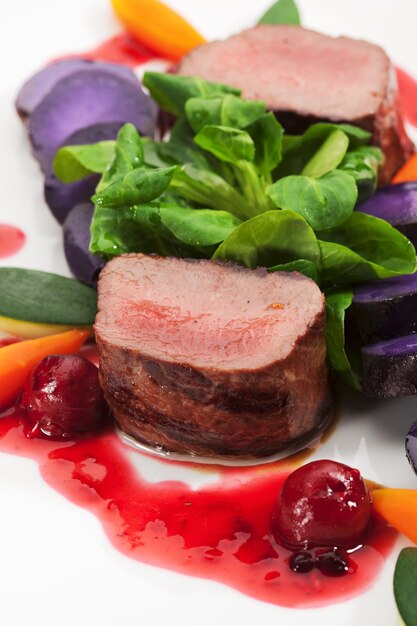
Once service standards are embedded, the focus shifts to communication and training. These elements are key to maintaining harmony and growth in the kitchen environment.
Disciplined Team Communication
Effective communication is the backbone of any successful kitchen. It ensures everyone is on the same page, reducing misunderstandings and errors. Regular meetings and briefings can help your team stay aligned with the day’s objectives. Encouraging an open communication culture makes it easier to address issues before they escalate. This transparency fosters a supportive environment where team members feel valued and heard. Without disciplined communication, small issues can snowball into larger problems, disrupting service and lowering morale.
Continuous Culinary Training
Culinary skills need constant honing. Encouraging continuous training helps your team stay current with industry trends and techniques. Offering workshops and training sessions not only improves skills but also boosts morale. Staff feel motivated knowing their growth is supported. This development translates into better service and innovation in your kitchen. Continuous training is not just a benefit; it’s a necessity in a fast-paced industry. By investing in your team’s education, you invest in the success of your kitchen.
CPD-accredited Food Safety Courses
Ensuring food safety is a shared responsibility. Enrol your team in CPD-accredited courses to keep them informed about the latest regulations and best practices. Such courses are designed to fit around busy schedules, making it easier for staff to participate. With these credentials, your team can confidently uphold high safety standards. This commitment to training reflects your dedication to quality and safety, reassuring your customers that their wellbeing is your priority.
Partnering with Operational Chef Consultant
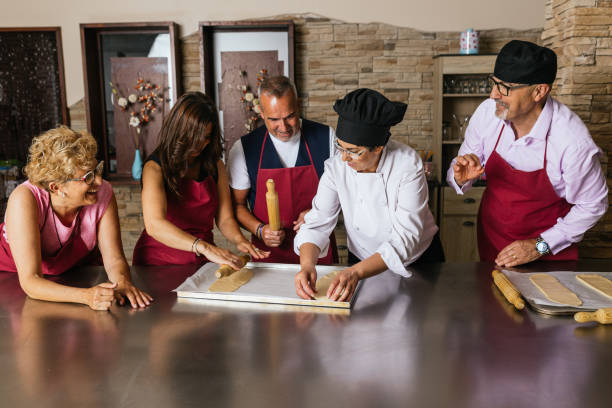
To implement these standards effectively, partnering with expert consultants can provide the support and expertise needed to enhance your kitchen operations.
Chef Recruitment and Placement
Finding the right chefs for your kitchen can be challenging. Partnering with a recruitment service ensures you get qualified professionals who fit your specific needs. These services handle everything from vetting to placement, saving you time and effort. With access to a wide pool of talent, you can fill positions quickly, ensuring your kitchen runs smoothly without interruption. By having the right team in place, you maintain high service standards and culinary excellence.
Kitchen Consultancy Services
Sometimes, an outsider’s perspective can highlight areas for improvement. Kitchen consultancy services offer tailored advice on enhancing operations and efficiency. Whether you need help with menu development, cost control, or service flow, these experts provide solutions that align with your goals. By leveraging their knowledge, you can make informed decisions that positively impact your kitchen’s performance and customer satisfaction. Consultancy services act as a catalyst for growth and innovation.
24/7 Chef Staffing Solutions
Unexpected staff shortages can disrupt service. Having access to 24/7 staffing solutions ensures you’re never caught off guard. These services provide prompt replacements, maintaining your service levels without missing a beat. With this safety net, you can focus on delivering outstanding experiences without worrying about staffing challenges. This flexibility not only supports your operations but also enhances your reputation for reliability.
Frequently Asked Questions
What are SOPs, and why are they important in the kitchen?
SOPs, or Standard Operating Procedures, are detailed guidelines that specify how tasks should be performed. They are crucial in the kitchen because they ensure consistency and quality across all operations, from food preparation to service.
How does HACCP improve food safety?
HACCP, or Hazard Analysis Critical Control Points, is a systematic approach to food safety that identifies and controls potential hazards. By implementing HACCP, kitchens can prevent contamination and ensure compliance with health regulations.
Why is mise en place important for kitchen efficiency?
Mise en place, meaning “put in place,” involves preparing and organizing ingredients before cooking. It increases efficiency by reducing the time spent searching for items, allowing chefs to focus on cooking and ensuring smooth service.
How can continuous culinary training benefit my kitchen staff?
Continuous training keeps staff up-to-date with the latest culinary trends and techniques. It enhances skills, boosts morale, and promotes innovation, ultimately leading to better service and customer satisfaction.
What is the role of a kitchen consultant?
A kitchen consultant provides expert advice on improving kitchen operations. They offer solutions for menu development, cost control, and service flow, helping you enhance efficiency and customer satisfaction.
Accelerate your kitchen success today
