
Staff shortages and kitchen chaos can derail your service before the first guest arrives. A solid hospitality resilience framework keeps your team agile, your kitchens compliant, and your menus profitable—even when unexpected challenges hit. In this post, you’ll learn how to build an operational system that covers chef recruitment, food safety training, rota optimisation, and crisis-ready SOPs, all designed to keep your hospitality business running smoothly. For more insights into operational resilience, visit this resource.
Building a Resilient Hospitality Framework
Creating a strong framework is crucial for your hospitality business. It provides the backbone to manage challenges efficiently and keep operations smooth.
Agile Staffing in Hospitality
Finding the right staff can be a game changer. With agile staffing, you ensure your team is always ready for any situation. Hiring temporary chefs can help meet demand peaks without long-term commitments. Your hiring process should focus on speed and quality to ensure you’re always prepared for any service needs. Most businesses find that having a reliable chef recruitment agency in the UK makes this easier. Agencies bring vetted professionals who are skilled and ready to tackle any culinary challenge.
Regularly updating your staff rota can further enhance agility. A well-structured rota optimises working hours and reduces stress among employees. When everyone knows their role and schedule, service runs smoothly, and your guests enjoy a seamless experience. This proactive staffing approach can save your business time and money, enhancing overall efficiency.
Crisis-Ready SOPs for Resilience
Standard Operating Procedures (SOPs) are the unsung heroes of hospitality resilience. By having clear, crisis-ready SOPs, your team can navigate any situation calmly and effectively. These procedures should cover everything from unexpected staff shortages to kitchen equipment failures. Training your staff on these SOPs ensures that everyone knows what to do when things go awry.
It’s essential to regularly review and update your SOPs. Changes in regulations, technology, or team composition can impact how you handle crises. Keeping your procedures current ensures your team remains prepared and resilient. Implementing an ongoing training program can help reinforce these processes, making your operations more robust.
Menu Engineering and Costings
A profitable menu is essential for your business’s success. Menu engineering involves designing dishes that maximise profits while keeping costs in check. Start by evaluating your current offerings: do they match customer preferences and seasonal availability? Adjust your menu to include high-margin items that are popular with guests.
Costings are equally important. Monitor ingredient prices and adjust your menu prices accordingly to maintain profitability. A well-engineered menu not only appeals to your customers but also contributes to your bottom line. By focusing on both customer satisfaction and cost control, you ensure your menu remains a key asset in your operational framework.
Enhancing Kitchen Operations

Once your staffing and menu strategies are in place, it’s time to focus on kitchen operations. Efficient kitchen practices ensure food safety and quality, which are crucial for customer satisfaction.
Food Safety Training Online UK
Food safety is non-negotiable. Online food safety training ensures your team is up to date with the latest practices, keeping your kitchen compliant with UK standards. These courses cover everything from proper food handling to hygiene protocols, ensuring that your staff is well-prepared.
Offering online training provides flexibility, allowing your team to learn at their own pace. This approach is popular among hospitality businesses as it doesn’t disrupt daily operations. Additionally, regular refreshers help maintain high standards, ensuring your guests feel confident dining with you.
HACCP Compliance and Allergen Management
HACCP (Hazard Analysis and Critical Control Points) is a systematic approach to food safety. It identifies potential hazards and implements measures to control them, ensuring safe food production. Compliance with HACCP is essential for any hospitality business, safeguarding both guests and staff.
Allergen management is another critical aspect. With increasing dietary restrictions, having a robust allergen management system is crucial. Train your staff to handle allergens carefully and communicate potential risks to guests. This proactive approach not only ensures safety but also builds trust with your customers.
Sustainable Sourcing and Rota Optimisation
Sustainability is more than a trend; it’s a responsibility. Sourcing ingredients sustainably reduces your environmental impact and supports ethical practices. Guests appreciate businesses that make conscious choices, often leading to increased loyalty.
Rota optimisation complements this by ensuring efficient use of resources. It helps manage staff workloads, reducing waste and improving productivity. By aligning your sourcing strategies with rota management, you create a harmonious operation that benefits both the environment and your business.
Partnering with Operational Chef Consultant
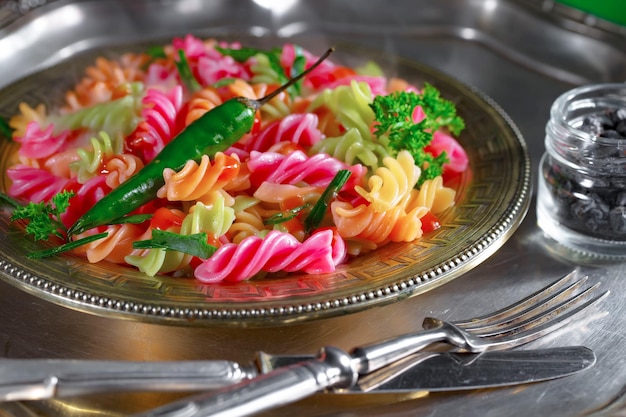
Partnering with the right consultant can elevate your hospitality business. It brings expertise and insight that can transform your operations.
Chef Recruitment Agency UK
Hiring the right chefs can make all the difference. A reputable chef recruitment agency in the UK connects you with skilled professionals who fit your specific needs. These agencies vet candidates thoroughly, ensuring you receive only the best talent.
By working with a recruitment agency, you save time and effort in finding the right staff. They handle the legwork, allowing you to focus on running your business. This approach ensures your team is always ready to deliver exceptional service.
Temporary Chef Hire London
Temporary chef hire is a flexible solution for fluctuating demand. Whether it’s for a special event or a busy season, hiring temporary chefs in London ensures your kitchen runs smoothly. These professionals bring experience and adaptability, fitting seamlessly into your existing team.
This flexibility allows you to meet demand without long-term commitments. Additionally, temporary hires can bring fresh perspectives and ideas, enhancing your kitchen operations. It’s a win-win solution that benefits both your business and your guests.
Private Event Catering London
For private events, catering is a key element. Offering bespoke catering in London elevates the occasion, providing guests with a memorable experience. From menu planning to execution, a professional catering team handles everything, ensuring a flawless event.
Partnering with a catering expert ensures that every detail is perfect. They bring expertise in menu design, presentation, and service, creating an unforgettable experience for your guests. This focus on quality and attention to detail distinguishes your events, leaving a lasting impression.
Frequently Asked Questions
What is a hospitality resilience framework?
A hospitality resilience framework is a strategic approach that ensures a business can withstand challenges such as staff shortages or kitchen disruptions. It involves agile staffing, crisis-ready SOPs, and efficient operations to maintain service quality.
How can I make my menu more profitable?
To enhance menu profitability, focus on menu engineering. Identify high-margin items and adjust pricing based on ingredient costs. Ensure your menu aligns with customer preferences and seasonal availability for maximum appeal.
Why is food safety training important?
Food safety training is crucial to prevent foodborne illnesses and ensure compliance with health regulations. It educates staff on proper food handling and hygiene practices, safeguarding both guests and employees.
What are the benefits of temporary chef hire?
Temporary chef hire provides flexibility to meet fluctuating demand without long-term commitments. It allows businesses to maintain service quality during busy periods or special events, bringing expertise and adaptability.
How do I ensure HACCP compliance in my kitchen?
To ensure HACCP compliance, implement a systematic approach to food safety. Identify potential hazards, establish critical control points, and train staff regularly on procedures. Regular audits and updates help maintain compliance.
Accelerate your kitchen success today
