
Table of Contents
- Why Book a Private Chef for Dinner
- What to Ask a Private Chef Before Booking
- Private Chef Dinner Party Cost: What Affects Pricing
- Private Chef Menu Ideas for Dinner Parties
- How to Ensure Reliability and Quality
- Planning Your Private Chef Dinner Experience
- Frequently Asked Questions
Last Updated: September 19, 2026
Why Book a Private Chef for Dinner
To book a private chef for dinner and host a dinner party requires orchestrating multiple moving parts simultaneously. You’re managing guest comfort, menu planning, kitchen logistics, and presentation all at once. When you book a private chef for dinner, you transfer that complexity to someone trained to handle it.
A private chef arrives with equipment, expertise, and the ability to execute a complete meal in your own kitchen or venue. They manage timing so dishes arrive hot and coordinated. They adapt to dietary requirements without disrupting the menu. Most importantly, they free you to actually enjoy your guests instead of spending the evening stressed in the kitchen.
The difference between a mediocre dinner party and a memorable one often comes down to food execution. Professional chefs understand how to build a menu that flows, how to pace courses, and how to handle unexpected adjustments. When you book a private chef for dinner, you’re investing in an experience your guests will actually remember.
At Operational Chef Consultant, we’ve placed chefs for private dining events across the UK. The feedback is consistent: guests are impressed, hosts are relaxed, and the evening feels effortless. That’s what separates a private chef service from simply catering.
What to Ask a Private Chef Before Booking
Before you book a private chef for dinner, clarify the practical details that separate a smooth evening from a chaotic one.
Experience with your cuisine type. Ask specifically about their background with the style of food you want. Someone trained in French classical technique may not be the best fit if you’re after modern Asian fusion. Ask for examples of menus they’ve executed and references from similar events.
Menu flexibility and dietary accommodation. Inquire how they handle last-minute changes, allergies, and dietary restrictions. A good private chef has systems for managing these without panic. Ask whether they source ingredients themselves or expect you to provide them, and clarify who pays for ingredients.
Equipment and setup requirements. Some chefs arrive with portable cooking equipment; others need access to your kitchen. Ask what they’ll need from you, oven space, counter room, utensils, plates. Confirm whether they handle plating and table service or just food preparation.
Timing and coordination. Establish exactly when they’ll arrive, how long prep takes, and when courses will be ready. Ask how they manage timing if your guest count changes last-minute. Clarify whether they’ll stay through dessert and coffee service.
Contingency and reliability. This matters more than most people realise. Ask what happens if they fall ill, do they have backup cover? How far in advance do they require cancellation notice? What’s their track record for actually showing up on time? When you book a private chef for dinner, you’re trusting someone to deliver on a specific evening. Verify their reliability directly.
Beverage pairing and alcohol. Confirm whether they’ll suggest wine pairings, whether you source wine or they do, and whether they can manage a full bar. Some chefs have licensing restrictions around alcohol service.
Private Chef Dinner Party Cost: What Affects Pricing
Several factors determine what you’ll pay when you book a private chef for dinner. Understanding these helps you budget realistically.
Guest count is the primary driver. A chef preparing for 4 people operates differently than one catering for 20. Ingredient costs scale, but so does the complexity of coordination and service. Smaller parties often have a higher per-person cost because fixed costs (travel, setup) are spread across fewer guests.
Menu complexity and ingredient sourcing. A simple three-course menu using standard ingredients costs less than a bespoke tasting menu with rare or seasonal components. If the chef sources speciality ingredients, that adds cost. Ask whether you’re paying ingredient markup or whether costs are transparent.
Duration and service level. A chef who arrives, cooks, plates, and leaves costs less than one who stays for full table service, manages bar, and handles cleanup. Full-service experiences, where the chef coordinates with staff, manages pacing, and engages with guests, command higher fees.
Travel distance and location. Urban areas often have more competitive pricing because chefs have shorter travel times between events. Remote locations or venues far from ingredient suppliers increase costs. Some chefs charge travel fees; others build it into their rate.
Timing and notice. Last-minute bookings typically cost more. Booking several weeks ahead gives chefs time to plan efficiently. Peak seasons (December, summer weekends) often have premium pricing.
Dietary requirements and restrictions. Complex dietary needs, multiple allergies, vegan menus, religious restrictions, require more planning and sometimes speciality ingredients. A straightforward menu is more economical.
When you book a private chef for dinner, pricing depends on quantity, dates, dietary needs, and service level. Contact Operational Chef Consultant for a quote tailored to your specific event, we’ll work within your budget and explain what each element costs.
Ask potential chefs for a detailed breakdown of their fee structure. Some charge per person, others charge a flat service fee plus ingredient costs. Clarity upfront prevents surprises later.
Private Chef Menu Ideas for Dinner Parties
The menu sets the entire tone of your dinner party when you book a private chef for dinner. When you book a private chef for dinner, you’re paying for someone who can design a menu that impresses without overwhelming your guests.
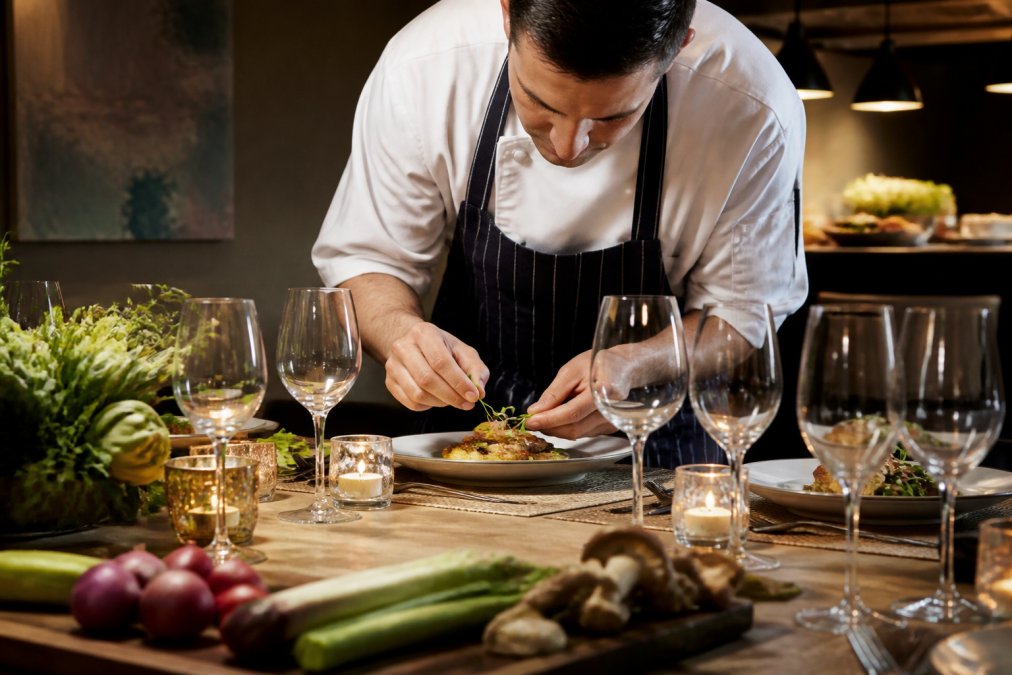
Seasonal menus work best. A chef who builds around what’s in season uses ingredients at peak flavour and cost efficiency. Spring might feature asparagus, new potatoes, and lamb. Autumn brings game, root vegetables, and mushrooms. Seasonal menus feel current and demonstrate culinary knowledge.
Consider your guests’ preferences without overcomplicating. A menu that tries to please everyone often pleases no one. Instead, choose a coherent theme, Mediterranean, British countryside, contemporary European, and build within it. A good private chef will ask about genuine restrictions (allergies, vegetarian guests) but won’t design five separate menus for one dinner. Focusing on a singular culinary direction simplifies the logistics of the evening while reflecting the sophisticated menu pricing strategies that define modern dining experiences.
Progressive courses work better than heavy ones. Start light, build flavour and richness, then finish with something that cleanses the palate. Amuse-bouche → soup or small starter → fish or lighter main → meat or richer main → palate cleanser → dessert → petit fours. This pacing keeps guests engaged across the evening.
Menus that can be partially prepped save the chef stress. Ask whether the chef can prepare components in advance. Stocks, sauces, and components made earlier mean less frantic activity during service. This translates to better food and a more relaxed chef.
Consider dietary variety without complexity. Rather than one vegetarian main and one meat main, think about building mains where protein is secondary. A beautiful vegetable dish with a protein option on the side works better than two entirely different plates.
When you book a private chef for dinner, discuss menu options early. Share any dietary needs, ingredient preferences, or cuisines you love. A skilled chef will propose something that feels personal to your event rather than generic.
How to Ensure Reliability and Quality
The most important factor when you book a private chef for dinner is confidence that they’ll actually deliver. A beautiful menu means nothing if the chef doesn’t show up or if the food is poorly executed.
Verify their background thoroughly. Ask for references from recent events, not just testimonials on a website. Contact those references directly. Ask specific questions: Did the chef arrive on time? How did they handle the kitchen space? Did the food quality match expectations? Did they manage dietary requirements smoothly?
Check for proper vetting and credentials. A reputable private chef service should have DBS checks completed and be able to verify food hygiene qualifications. This isn’t bureaucracy, it’s a basic safety standard. Operational Chef Consultant hand-screens and vets every chef, with full DBS checking facility. That matters when someone’s working in your home.
Confirm backup arrangements. Ask what happens if the chef falls ill a week before your event. Do they have a vetted replacement? How much notice do they need if plans change? A professional service has contingencies; an individual freelancer might leave you stranded.
Discuss communication and problem-solving. A good chef will confirm details a few days before the event and check in on the day. They’ll ask clarifying questions about your kitchen, your guests, and your expectations. They’ll think through potential problems before they happen.
Request a tasting if it’s a large or important event. For significant occasions, milestone birthdays, business dinners, intimate weddings, a pre-event tasting reduces risk. You’ll taste the chef’s work and assess their professionalism directly.
Establish clear expectations in writing. Confirm the menu, timing, guest count, what’s included (service, cleanup, beverages), and payment terms. Get it in writing so there’s no ambiguity on the day.
Avoid booking a private chef for dinner based purely on price. The cheapest option often cuts corners on ingredient quality, reliability, or experience. A slightly higher investment in a vetted, experienced chef is worth the peace of mind.
Planning Your Private Chef Dinner Experience
The weeks before your event set up success. A thoughtful approach to planning makes the evening flow.
Choose your date and venue early. Once you know when and where, you can book a chef with confidence.
Frequently Asked Questions
How much does it cost to book a private chef for dinner?
Pricing depends on guest count, menu complexity, dietary requirements, event duration, and your location. Costs vary significantly based on the chef’s experience level and whether ingredients are included. Contact Operational Chef Consultant for a personalised quote tailored to your specific event needs and budget.
What should I ask a private chef before booking?
Ask about their experience with your desired cuisine, dietary accommodation capabilities, whether they provide ingredients and equipment, cancellation policies, and their approach to menu planning. Confirm their availability, ask for references, and discuss any special requirements. Clarify what’s included in their service, preparation, cooking, plating, and cleanup responsibilities.
How far in advance should I book a private chef for a dinner party?
Ideally, book 2-4 weeks ahead to allow time for menu planning and ingredient sourcing. For larger or more complex events, 6-8 weeks is recommended. Operational Chef Consultant offers 24/7 availability across the UK, so urgent bookings can sometimes be accommodated, but advance notice ensures better menu customisation and chef selection.
Do private chefs bring their own equipment and ingredients?
This varies by chef and service agreement. Most private chefs bring essential cooking equipment and utensils. Ingredients are often sourced based on your preferences and dietary needs, some chefs shop for you, others request you provide them. Clarify these details during booking to avoid confusion and ensure your kitchen is adequately equipped for the service.
