
Food safety compliance UK is more than a checklist—it’s the backbone of every successful commercial kitchen. If your kitchen struggles with HACCP plans, allergen management, or temperature control, you risk failing Environmental Health Officer inspections and losing customer trust. This guide breaks down practical steps to keep your kitchen spotless, your team trained with Level 2 and Level 3 Food Safety courses, and your operations ready for any audit. Let’s ensure your kitchen meets the highest standards and stays ahead in hygiene and compliance. For more insights, read this blog on supervision in commercial kitchens.
Ensuring Food Safety Compliance
Food safety compliance is crucial for protecting your customers and your business. Let’s ensure your kitchen meets the highest standards with actionable steps.
HACCP Plan UK Essentials
Building a robust HACCP plan is a must for every commercial kitchen in the UK. Begin by identifying all potential hazards in your kitchen. This involves examining your entire process, from receiving goods to serving dishes. With each hazard, establish control measures to manage or eliminate risks. Regularly review and update your plan to address any changes in your kitchen operations.
Documentation is key. Record each step and corrective action for transparency and accountability. This not only prepares you for audits but also helps maintain consistency in food safety practices. Remember, a thorough HACCP plan safeguards both your customers and your reputation.
Allergen Management and Natasha’s Law
Allergen management is more important than ever with Natasha’s Law in place. Clear labeling of allergens in all food items is required. Train your staff to understand and communicate allergen information effectively. This ensures customers with allergies can make informed choices.
Implement systems to avoid cross-contamination. Use separate utensils and areas for allergen-free preparation. Regular training and awareness sessions for your team are essential. With Natasha’s Law, vigilance in allergen management protects both your customers and your business.
Temperature Control in Kitchens
Maintaining proper temperature control is vital to prevent foodborne illnesses. Use calibrated thermometers to monitor both storage and cooking temperatures. Remember, bacteria thrive between 5°C and 63°C, so keep food out of the danger zone.
Implement a routine check to ensure all fridges and freezers operate efficiently. Regular monitoring helps identify any equipment failures early. Ensuring consistent temperature control not only keeps your kitchen compliant but also guarantees food quality.
Preparing for EHO Inspections

Getting ready for an Environmental Health Officer (EHO) inspection requires thorough preparation. Let’s explore the key areas to focus on.
EHO Audit Preparation and SFBB
Audit preparation involves understanding what the EHO will assess. Familiarize yourself with the Safer Food Better Business (SFBB) guidelines. These provide a solid framework for maintaining high hygiene standards. Regular internal audits can help identify areas needing improvement before an official inspection.
Keep all documentation organized and up-to-date. This includes records of cleaning schedules, pest control, and staff training. Being prepared and proactive shows the EHO your commitment to food safety and can boost your food hygiene rating.
Cleaning Schedules and COSHH
A well-structured cleaning schedule is essential for any kitchen. Define clear roles and responsibilities for daily, weekly, and monthly cleaning tasks. Detailed schedules ensure no area is overlooked, maintaining a hygienic environment.
Understanding Control of Substances Hazardous to Health (COSHH) regulations is crucial. Ensure safe storage and usage of cleaning chemicals. Regular COSHH training for staff reduces risks and enhances safety practices.
Traceability and Labelling
Traceability is crucial in managing food safety. Keep detailed records of your suppliers and the origins of food products. This facilitates rapid response in case of a food safety issue.
Proper labeling is equally important. Ensure all products are clearly labeled with use-by dates and allergens. Consistent labeling practices prevent errors and enhance food safety.
Enhancing Kitchen Operations
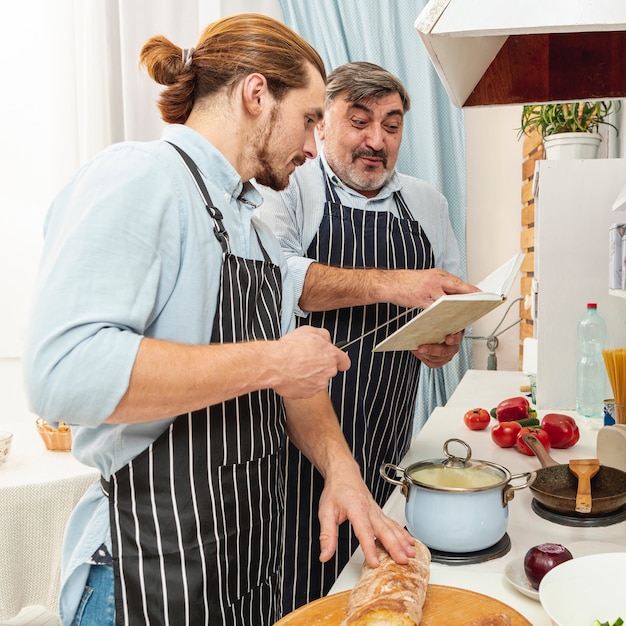
Efficient operations are the backbone of a successful kitchen. Explore strategies to enhance your kitchen’s performance.
Chef Recruitment London and Temporary Chefs UK
Finding the right culinary talent is key to maintaining kitchen performance. Utilize reputable agencies for chef recruitment in London. They provide access to skilled chefs for both temporary and permanent placements, ensuring your kitchen runs smoothly even during peak times.
Temporary chefs can be a lifesaver during staff shortages or busy periods. They bring fresh perspectives and skills, keeping your kitchen dynamic and efficient.
Level 2 and Level 3 Food Safety Courses
Investing in food safety training is crucial for compliance and safety. Level 2 and Level 3 courses provide comprehensive knowledge, covering everything from basic hygiene to advanced supervisory skills.
These courses are often flexible, allowing staff to learn at their own pace. Training equips your team with the knowledge to maintain high safety standards, building confidence and competence in your kitchen operations.
Kitchen Consultancy and Private Event Catering London
Seeking external consultancy can revolutionize your kitchen operations. Consultants provide expert advice on layout, processes, and compliance, optimizing efficiency and safety.
For private events, partnering with a specialized catering service ensures high-quality delivery. Bespoke catering solutions cater to specific needs, providing exceptional service and culinary excellence.
By implementing these strategies, you’ll ensure your kitchen remains compliant, efficient, and ready for any challenge.
Frequently Asked Questions
What is a HACCP plan and why is it important?
A HACCP plan identifies and manages food safety hazards in your kitchen. It’s crucial for preventing foodborne illnesses and ensuring compliance with legal standards.
How does Natasha’s Law affect allergen management?
Natasha’s Law requires clear labeling of allergens on all pre-packed foods. This ensures transparency and protects customers with allergies.
Why is temperature control important in kitchens?
Proper temperature control prevents bacterial growth, reducing the risk of foodborne illnesses. It ensures food safety and quality.
What should I do to prepare for an EHO inspection?
Ensure all documentation is organized, conduct regular internal audits, and follow SFBB guidelines. Being well-prepared demonstrates your commitment to food safety.
How can temporary chefs benefit my kitchen operations?
Temporary chefs provide flexibility during busy periods or staff shortages. They bring diverse skills and experiences, enhancing kitchen performance.
Master kitchen management skills
