
Busy kitchens often face the same avoidable mistakes: allergen mix-ups, cross-contamination, wasted ingredients, and ticket misfires. These issues don’t just disrupt service; they risk reputations and compliance. Practical kitchen training cuts through the chaos with hands-on coaching that sharpens mise en place discipline, enforces kitchen SOPs, and strengthens food safety practices. In this post, you’ll see how Operational Chef Consultant’s accredited programmes help you reduce kitchen mistakes and keep your operations running smoothly. You can also explore insights on avoiding common kitchen mistakes here.
Practical Training’s Impact on Kitchens
Imagine significantly reducing the persistent issues that plague kitchen operations. Practical training offers solutions that help you do just that, turning chaos into streamlined efficiency.
Reducing Common Kitchen Errors
Many kitchens struggle with allergen mix-ups and ingredient waste. A focused approach to training helps address these errors. By understanding common pitfalls, you can implement strategies to prevent them. This means fewer disruptions and a more stable kitchen environment. For instance, a simple checklist can ensure all allergens are properly identified before service. This small step can drastically reduce the risk of errors. Integrating training programmes that target specific mistakes is crucial for maintaining a smooth operation.
The Importance of Scenario-Based Learning
Learning through scenarios offers a unique opportunity for practical application. Instead of theoretical knowledge, you gain hands-on experience. This method prepares you for real-life situations you might face in a busy kitchen. Imagine practising allergen identification in a controlled setting. This prepares you to handle actual challenges with confidence. Scenario-based learning replicates the fast-paced kitchen environment, creating a realistic training ground. This approach is pivotal in enhancing your decision-making skills and boosting your response time.
Hands-On Training Advantages
Engaging in hands-on training brings several benefits. It bridges the gap between knowledge and application, allowing you to master critical skills. This method cultivates muscle memory, ensuring swift, accurate actions during service. For example, practising mise en place in a controlled setting enhances your efficiency in real situations. Hands-on training also nurtures teamwork, as you learn to coordinate with colleagues effectively. This collaborative experience is invaluable in building a cohesive team that works seamlessly together.
Key Areas of Focus in Training

Focusing on key areas in kitchen training can lead to substantial improvements in operations. Let’s explore the critical zones that require attention.
Allergen Management and Safety
Managing allergens is paramount in any kitchen. Training in this area equips you with the knowledge to prevent cross-contact, a common issue. Understanding allergen labelling and storage protocols is essential. By implementing these practices, the risk of allergic reactions is significantly reduced. Moreover, regular training sessions on allergen safety keep the team informed about the latest guidelines and best practices, ensuring compliance and customer safety at all times.
Waste Reduction and Control
Reducing waste is not only environmentally friendly but also cost-effective. Training programmes that focus on waste management teach you how to utilise ingredients efficiently. Simple strategies like portion control and proper storage techniques can drastically cut down on waste. For instance, enforcing a first-in, first-out system ensures older ingredients are used first, minimising spoilage. These practical measures help maintain a sustainable and economically viable kitchen operation.
SOPs and Pass Management
Standard Operating Procedures (SOPs) form the backbone of an efficient kitchen. Training in SOPs ensures consistency and quality across all tasks. Pass management, in particular, is crucial for maintaining order during peak service times. Learning how to manage the pass effectively can prevent ticket misfires and ensure timely service. A well-trained team that understands the importance of SOPs is better equipped to handle the pressures of a busy kitchen, leading to smoother operations and satisfied customers.
Elevating Kitchen Operations
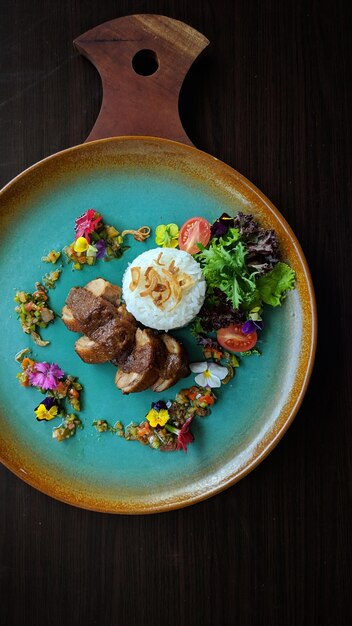
Improving kitchen operations requires a focus on foundational practices that ensure consistency and quality.
Emphasising Mise en Place Discipline
Mise en place is the cornerstone of any successful kitchen. This practice involves organising and arranging ingredients and tools before service begins. Training in mise en place enhances your organisational skills, resulting in improved efficiency. A well-disciplined mise en place reduces preparation time and increases productivity. For example, having all ingredients measured and ready allows you to focus on cooking rather than searching for items during service. This discipline transforms chaotic environments into smoothly running kitchens.
Temperature Monitoring for Food Safety
Temperature control is vital for ensuring food safety. Proper training in temperature monitoring helps you maintain the correct conditions for food storage and preparation. This prevents the growth of harmful bacteria and ensures compliance with food safety standards. Regular checks and documentation of temperature logs are essential practices in any kitchen. By adhering to these protocols, you safeguard both customer health and your kitchen’s reputation.
Benefits of Accredited Programmes and Coaching
Accredited programmes offer structured learning and certification, enhancing your credibility in the culinary field. These programmes provide comprehensive training that covers all aspects of kitchen management and safety. Enrolling in such a course ensures you are well-versed in current best practices. Additionally, coaching from experienced professionals offers personalised guidance, helping you refine your skills and tackle specific challenges. Investing in accredited training programmes is a valuable step towards becoming a proficient and confident kitchen professional.
Register for expert food safety webinars
