
UK Chef Recruitment: Temporary vs Permanent Staffing Explained
Finding the right chef for your kitchen can feel like solving a complex recipe. Temporary chefs offer flexible relief during busy seasons or unexpected absences, while permanent chef placements bring stability and long-term skill development. In this guide, you’ll learn how to balance costs, compliance, and operational needs so your team stays sharp and your service flawless. Let’s explore which option suits your hospitality staffing solutions best. For more insights, visit this link.
Choosing Temporary vs Permanent Chefs

Deciding between temporary and permanent chefs impacts your kitchen’s success. It involves weighing the benefits each option offers. Let’s start by looking at the perks of temporary chefs.
Benefits of Temporary Chefs
Temporary chefs bring flexibility to your kitchen. They step in during busy periods or when you’re short-staffed. With temporary chefs, you can manage unexpected absences without disrupting service. This ensures your team stays on track and maintains quality.
Additionally, hiring temporary chefs offers cost control. You only pay for the time you need, which can help manage budget constraints. Agencies often handle administrative tasks, making the process smoother. You get skilled chefs ready to meet your needs without the long-term commitment.
Temporary chefs also bring fresh perspectives. They introduce new techniques and ideas, enhancing your menu. This can invigorate your kitchen and inspire your permanent team. It’s an opportunity for growth and innovation in your culinary offerings.
Advantages of Permanent Placements
Permanent chefs provide stability and consistency. They become integral to your team, understanding your kitchen’s unique needs. With a permanent position, chefs invest in your vision, contributing to long-term goals. This can be crucial for developing a cohesive kitchen environment.
Building relationships with permanent chefs fosters loyalty. This commitment often leads to a deeper understanding of your culinary style and business objectives. Their knowledge grows, ensuring menu consistency and food quality over time. They’re key to maintaining high standards.
Permanent chefs also drive skill development. Their ongoing presence allows for mentoring and training opportunities. This investment in their growth benefits your entire team. It encourages a culture of continuous improvement and culinary excellence.
Factors to Consider
When choosing between temporary and permanent chefs, consider your specific needs. Assess your kitchen’s demands, budget, and long-term goals. Temporary chefs are great for immediate gaps, while permanent chefs build a strong foundation for the future.
Think about your operational requirements and staff dynamics. The choice may depend on current projects or seasonal peaks. Each option has its place in a strategic staffing plan, offering unique advantages to suit different scenarios.
Balancing these factors helps you make an informed decision. Consider the flexibility and cost benefits of temporary chefs against the stability and growth potential of permanent placements. Each has its role in building a thriving kitchen environment.
Costs and Compliance in Chef Hiring
Understanding the financial and legal aspects of hiring chefs is crucial. Let’s explore how to manage staffing costs and compliance effectively.
Understanding Staffing Costs
Staffing costs can vary based on the type of hire. Temporary chefs often come with agency fees, while permanent hires involve salaries and benefits. It’s essential to factor in these costs when planning your budget.
Temporary chefs offer financial flexibility. You pay only for the services you need, which can help manage expenses during fluctuating demands. This can be a cost-effective solution for short-term needs.
On the other hand, permanent hires require a more significant upfront investment. Salaries, training, and benefits add up, but they offer long-term value. Over time, permanent staff can contribute to a more stable and effective kitchen operation.
Navigating Compliance Requirements
Compliance is vital in the recruitment process. Ensuring your hires meet legal standards protects your business. This includes understanding employment laws and regulations applicable to both temporary and permanent staff.
Temporary hires often come with agency support. Agencies handle many compliance aspects, making the process more straightforward. This reduces your administrative burden and ensures adherence to legal requirements.
Permanent hires require a thorough understanding of employment laws. You’ll need to stay updated on regulations to ensure compliance. This includes contracts, working hours, and employee rights to maintain a lawful and fair workplace.
Importance of Right to Work Checks
Conducting right-to-work checks is a legal obligation. This process verifies that your chefs are eligible to work in the UK. It’s a critical step in avoiding legal issues and ensuring compliance with immigration laws.
For temporary hires, agencies usually handle these checks. They ensure all chefs meet legal requirements before placement. This streamlines the process and provides peace of mind.
Permanent hires require you to conduct these checks directly. It’s essential to follow proper procedures to prevent compliance breaches. Keeping accurate records and understanding your obligations is key to a smooth hiring process.
Operational Impact and Staffing Strategy
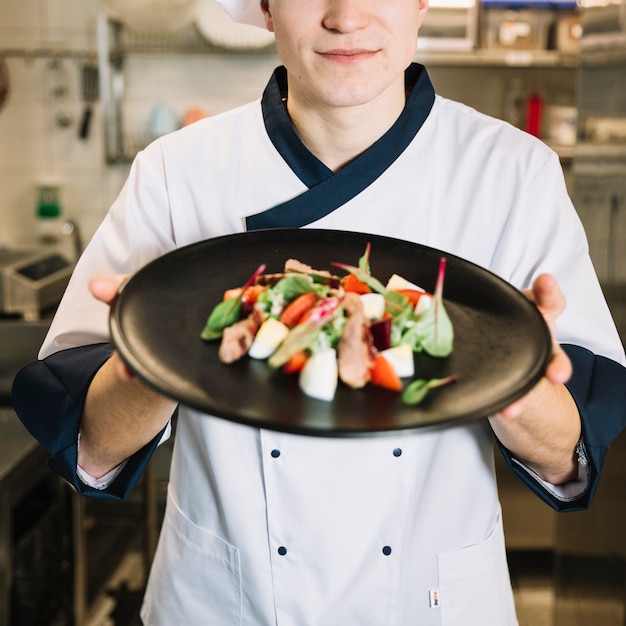
Your staffing strategy influences your kitchen’s operational success. Let’s explore how to manage demands and align staffing with your goals.
Managing Seasonal Demands
Seasonal fluctuations can challenge your kitchen. Temporary chefs offer a solution by filling gaps during peak times. They ensure service remains consistent without overextending your permanent team.
Seasonal hiring allows you to scale your team to meet demand. This flexibility is crucial for events, holidays, or busy seasons. It helps you maintain quality and manage customer expectations effectively.
Planning for seasonal demands requires foresight. Anticipate busy periods and arrange temporary staffing in advance. This proactive approach ensures you’re prepared, reducing stress and preventing last-minute disruptions.
Tailoring Staffing Solutions to Your Needs
Customising your staffing strategy can enhance kitchen performance. Consider a mix of temporary and permanent chefs to suit your operational needs. This approach offers the best of both worlds, providing flexibility and stability.
Evaluate your kitchen’s unique demands and align staffing accordingly. Temporary chefs can address immediate needs, while permanent staff build a solid foundation. This tailored strategy supports long-term growth and service excellence.
Adapting your approach keeps your kitchen agile. You’re equipped to handle changes and seize opportunities. This dynamic staffing model can lead to improved efficiency and customer satisfaction.
Enhancing Kitchen Performance with Training
Investing in training boosts your kitchen’s performance. Ongoing development ensures your team stays current with industry trends and techniques. Training benefits both temporary and permanent staff, enhancing overall quality.
Focus on skill-building and food safety training. This investment supports compliance and elevates service standards. A well-trained team is crucial for maintaining a competitive edge.
Training also fosters a culture of continuous improvement. It encourages staff to innovate and excel. This commitment to excellence can transform your kitchen into a hub of culinary creativity.
Understanding these elements helps you make informed decisions about your staffing strategy. Balancing costs, compliance, and operational needs ensures your kitchen thrives. By choosing the right mix of temporary and permanent chefs, you can achieve culinary excellence and operational success.
Explore top recruitment strategies now
