
From Pass to Plate: Practical Strategies to Manage Food Safety Risks in Hospitality Kitchens
Food safety risks in UK hospitality kitchens aren’t just a checklist item—they can make or break your reputation overnight. You need practical, proven strategies that keep your kitchen compliant and your guests safe without slowing down service. In this guide, you’ll find clear steps on managing HACCP plans, allergen control, temperature guidelines, and more—so you can run a kitchen that passes every EHO inspection with confidence. For more detailed insights, visit this resource.
Practical Steps for Hospitality Kitchen Compliance
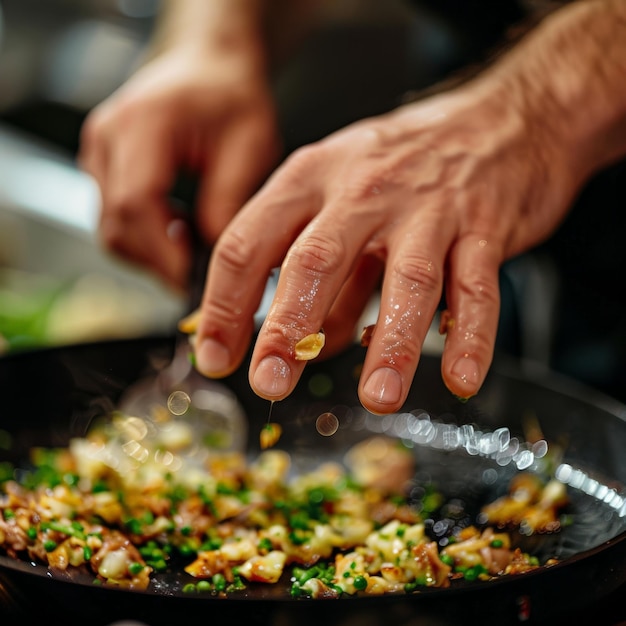
To ensure your kitchen runs smoothly and safely, understanding key compliance aspects is crucial. Let’s dive into essential strategies that can safeguard your operations.
Understanding HACCP Plans
Your first line of defence in food safety is a well-structured HACCP plan. But what exactly does that entail? HACCP, or Hazard Analysis Critical Control Points, is a systematic approach to identifying and managing food safety hazards. By focusing on controlling risks at specific points in the process, you can prevent problems before they arise.
-
Identify Hazards: Start by analysing each stage of your food preparation process. Look for potential biological, chemical, or physical hazards.
-
Determine Critical Points: Find steps in your process where control is essential to prevent or eliminate hazards.
-
Establish Limits and Monitoring: Set clear limits for each critical point, and develop procedures to monitor them effectively.
By implementing a thorough HACCP plan, you’ll not only comply with legal requirements but also enhance the safety of your culinary creations.
Allergen Management and Natasha’s Law
Allergen management is more important than ever, especially with Natasha’s Law in effect. This legislation mandates full ingredient labelling on prepacked foods, aimed at protecting those with allergies. Here’s how you can ensure compliance:
-
Ingredient Transparency: Clearly label all prepacked foods with comprehensive ingredient lists and highlight allergens.
-
Staff Training: Educate your team on handling allergens and the importance of accurate labelling.
-
Communication: Ensure clear communication between kitchen staff and front-of-house, so customers receive accurate information about allergens.
Remember, effective allergen management not only protects your customers but also strengthens trust in your establishment.
Cross-Contamination Prevention Techniques
Preventing cross-contamination is pivotal in maintaining a safe kitchen environment. You can achieve this by implementing simple yet effective practices:
-
Separate Workspaces: Use dedicated areas and equipment for different food types, especially raw and cooked foods.
-
Regular Sanitisation: Clean and sanitise surfaces and equipment regularly to remove any harmful residues.
-
Proper Storage: Store raw foods below cooked foods in the fridge to prevent drips and leaks.
These steps will help you maintain high hygiene standards and prevent the spread of contaminants.
Mastering Temperature Control and Hygiene
Temperature control and hygiene are the backbone of a safe kitchen. Mastering these elements ensures both compliance and quality in your operations.
Exploring Temperature Control UK Guidelines
Temperature control is about more than just keeping food hot or cold. It’s about maintaining specific ranges to prevent bacterial growth. According to UK guidelines, cold foods should be stored at or below 8°C, while hot foods must be kept at least 63°C to remain safe for consumption.
-
Thermometer Use: Regularly check and calibrate thermometers to ensure accuracy.
-
Temperature Checks: Implement routine temperature checks for both storage and preparation areas.
These practices help you maintain compliance and ensure your dishes are safe to serve.
Effective Chilling and Hot Holding Practices
Proper chilling and hot holding are crucial to prevent spoilage and foodborne illnesses. Here’s how you can optimise these processes:
-
Rapid Chilling: Use blast chillers to quickly cool cooked foods before storage.
-
Hot Holding Equipment: Invest in quality equipment to maintain hot foods at safe temperatures during service.
Implementing these practices keeps your food safe and delicious, ready for guests to enjoy.
Developing Comprehensive Cleaning Schedules
A clean kitchen is a safe kitchen. Developing a comprehensive cleaning schedule ensures that all areas of your kitchen meet hygiene standards.
-
Daily Tasks: Include regular cleaning of surfaces, floors, and equipment.
-
Weekly Deep Cleans: Schedule deep cleaning sessions for hard-to-reach areas.
-
Record Keeping: Maintain logs to track cleaning activities and ensure accountability.
These practices will help you maintain a spotless kitchen and prepare for any inspections.
Preparing for EHO Inspections
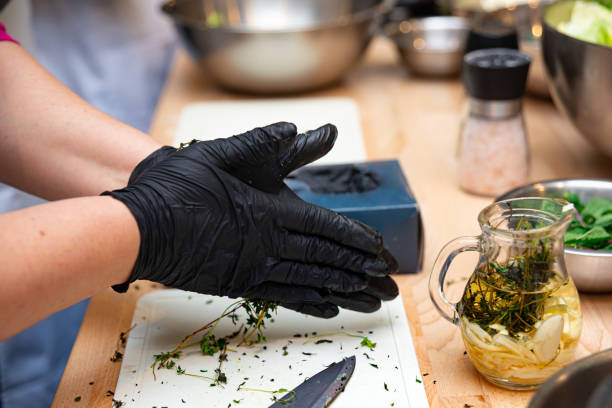
Preparing for EHO inspections involves more than just a clean kitchen. Comprehensive compliance is key to a successful visit.
COSHH Compliance in Kitchens
Handling hazardous substances safely is a priority. The Control of Substances Hazardous to Health (COSHH) regulations require you to manage these risks effectively.
-
Identify Hazards: List all hazardous substances and assess the risks associated with them.
-
Implement Controls: Use appropriate safety measures to minimise exposure.
-
Staff Training: Ensure your team understands how to handle hazardous substances safely.
By following these steps, you’ll be well-prepared for inspections and ensure a safe working environment.
Pest Control in Catering Environments
Pest control is vital in maintaining a hygienic kitchen. Here’s how to stay on top of it:
-
Regular Inspections: Conduct routine checks for signs of pests.
-
Preventative Measures: Seal entry points and eliminate food sources to deter pests.
-
Professional Help: Consider hiring pest control professionals for thorough inspections and treatments.
Consistent pest control efforts will protect your kitchen and reassure your guests of its cleanliness.
Maintaining Due Diligence Records
Keeping detailed records is essential for demonstrating compliance. Due diligence records include everything from temperature logs to cleaning schedules. By maintaining these, you show inspectors that your kitchen operates safely and efficiently.
-
Documentation: Record all compliance activities meticulously.
-
Regular Reviews: Update records regularly and review them for accuracy.
-
Accessibility: Ensure that records are easily accessible during inspections.
This attention to detail can make a significant difference in the outcome of an inspection.
In summary, by following these structured steps, you can confidently manage food safety risks in your hospitality kitchen, ensuring compliance and enhancing the dining experience for your customers. Prioritising these strategies not only safeguards your reputation but also strengthens trust in your culinary expertise.
Discover safe, compliant kitchen practices
